
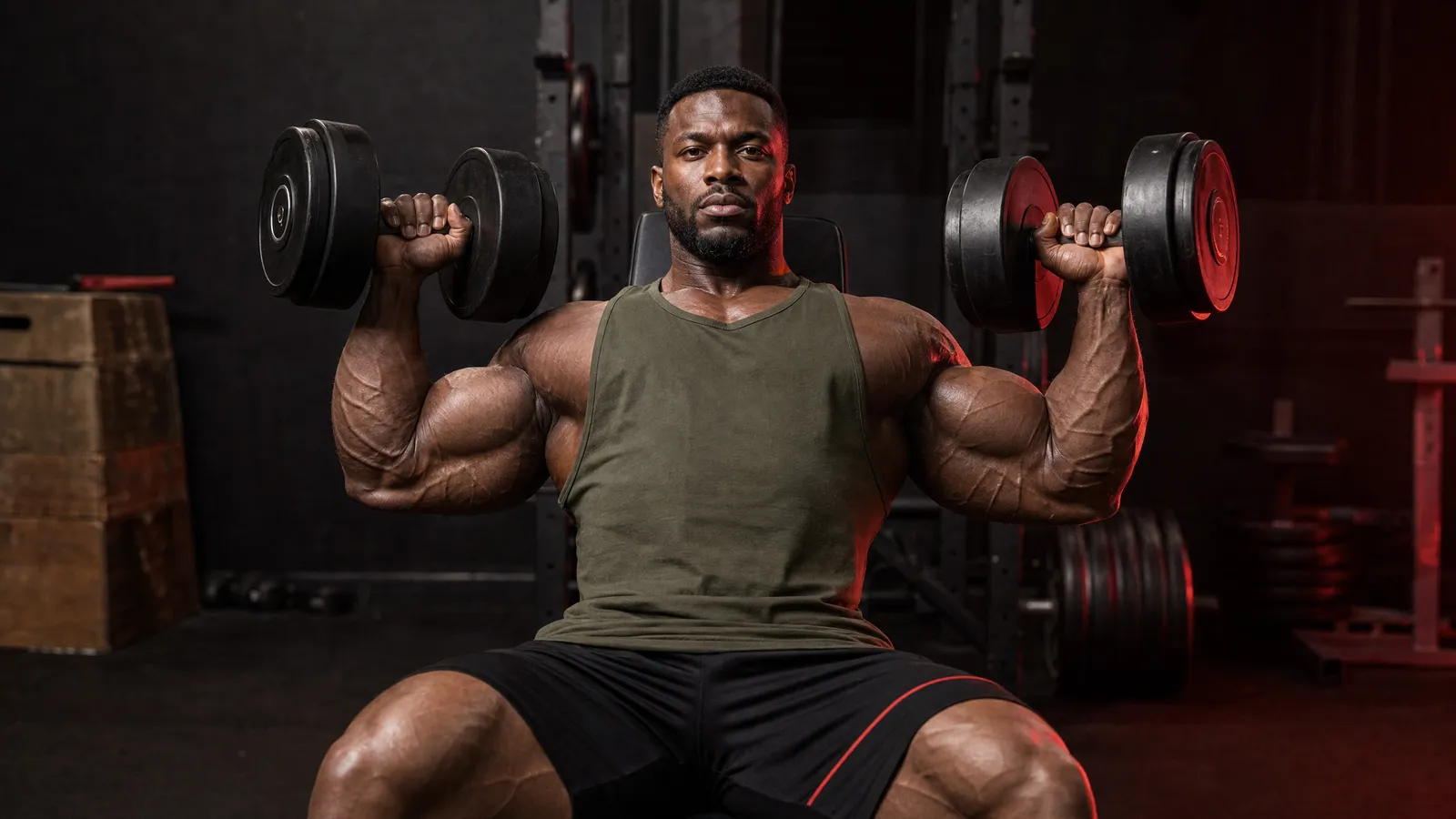
MG crew · Bodybuilding · The mirror and the pump.
Updated October 2026 · 6 min read
“I press heavy every week but my chest isn’t filling out evenly. How should I train it?”
Most lifters press with their ego and feel it in their shoulders and arms. Chest growth comes from the right angle, the right elbow position and a controlled rep. Below is the chest session I recommend, built around the same exercises as the Milos Sarcev video guide that this page has featured since 2019: presses, flies, a machine press and cable flies.
- Four exercises cover the whole chest: incline and flat presses, dumbbell flies, a machine press and cable flies.
- Change the angle, not just the weight. Incline hits the upper chest, flat the middle, decline the lower.
- Slow reps, a pause at the stretch and a squeeze at the top beat heavier, sloppier reps.
- Chest twice a week with at least two days between sessions is plenty for most people.
How your chest is built
Your chest is mainly the pectoralis major, a big fan-shaped muscle with an upper part that attaches near your collarbone and a larger lower part that attaches along your breastbone. Which part works hardest depends on the angle you press or fly at.
- Upper chest: incline presses and low-to-high cable flies.
- Middle chest: flat presses, flat flies and machine presses.
- Lower chest: decline presses and high-to-low cable flies.
You’ll hear lifters talk about inner and outer chest. You can’t pick one or the other, but a full stretch at the bottom and a hard squeeze at the top of every rep make the whole muscle work.
Watch the full guide
This is The Fit Show with Milos Sarcev: Chest, a complete chest session of about 20 minutes from professional bodybuilder Milos Sarcev. It covers incline and flat bench press, incline and flat dumbbell flies, a chest machine press and cable flies at three angles. Watch it once all the way through, then use the routine below as your plan.
Video credit: Milos Sarcev on YouTube.
Abdulla’s chest routine
Warm up for 5 to 10 minutes first: arm circles, band pull-aparts and two light sets of your first press. Then work through these four exercises in order. The sets and reps are my starting point; adjust them as you learn how each exercise feels.
1. Incline bench or dumbbell press
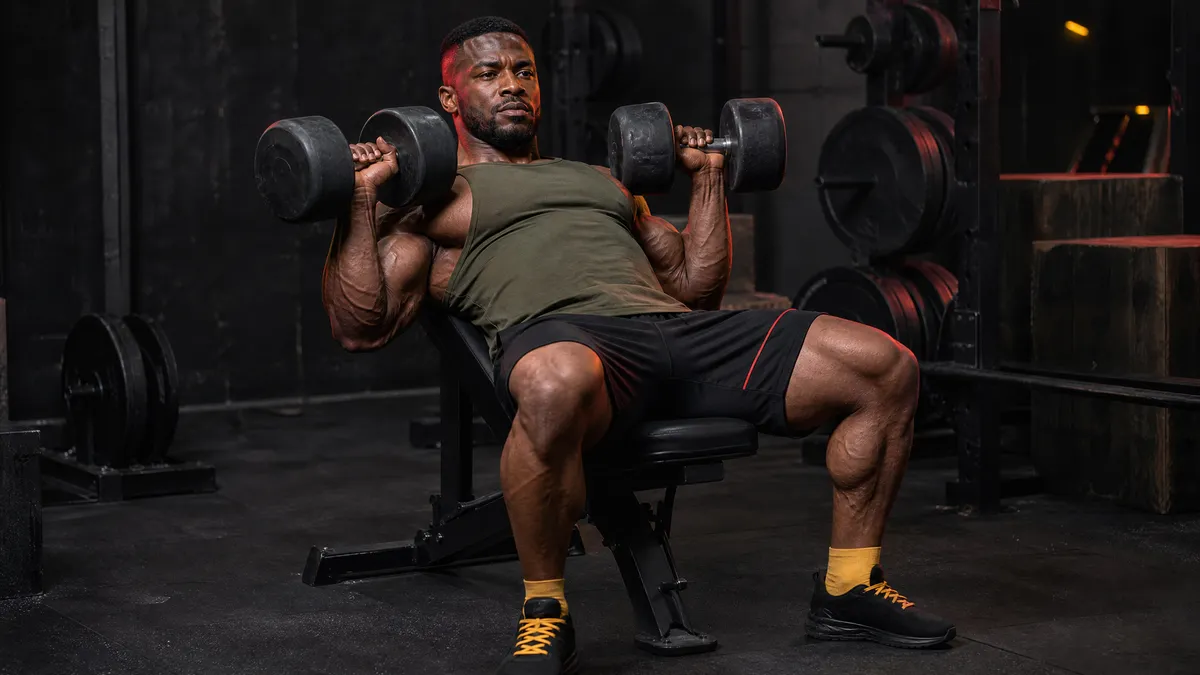
Set the bench at a low to medium incline, around 30 degrees. Plant your feet, pull your shoulder blades back and down, and lower the weight to your upper chest with your elbows at roughly 45 degrees from your body. Press up without letting your shoulders roll forward. This is your main heavy lift, so it comes first.
2. Flat dumbbell flies
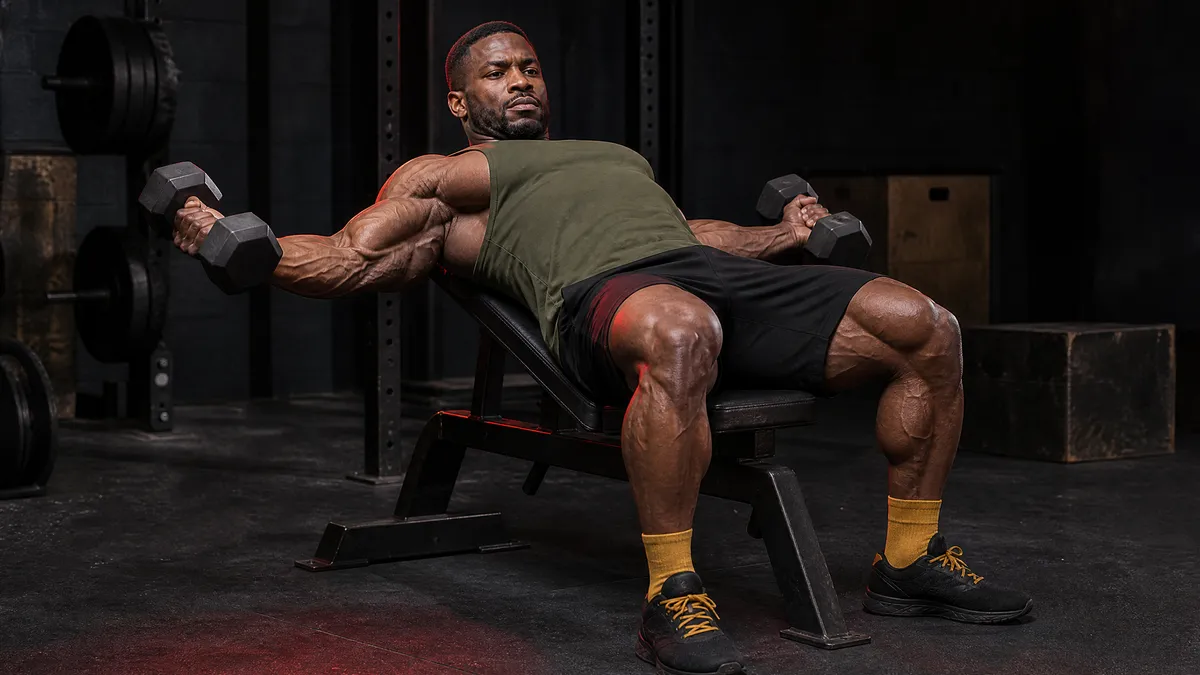
Lie flat with a dumbbell in each hand, arms slightly bent and palms facing each other. Open your arms out and down in a wide arc until you feel a deep stretch across your chest, then bring the dumbbells back together as if you were hugging a tree. Keep the elbow bend the same the whole way. If it turns into a press, the weight is too heavy.
3. Chest machine press
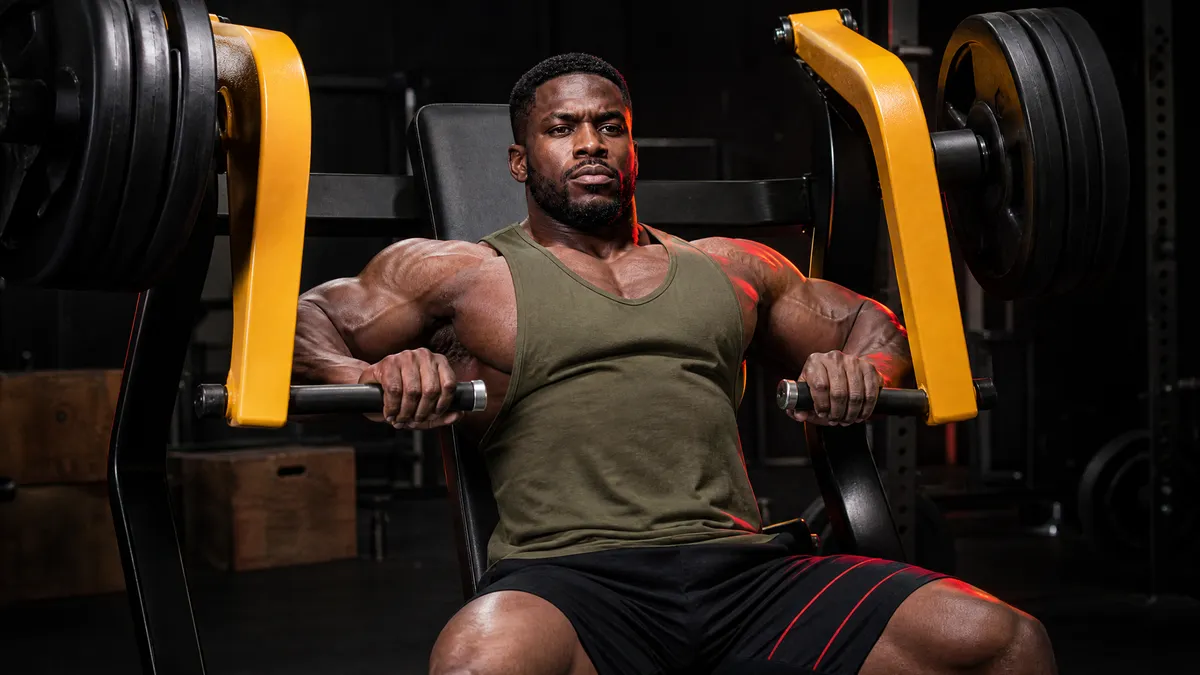
The machine takes balance out of the movement, so you can focus on squeezing. Set the seat so the handles line up with the middle of your chest. Press smoothly, squeeze your chest at the end, then control the weight back until you feel the stretch.
4. Cable flies at three angles
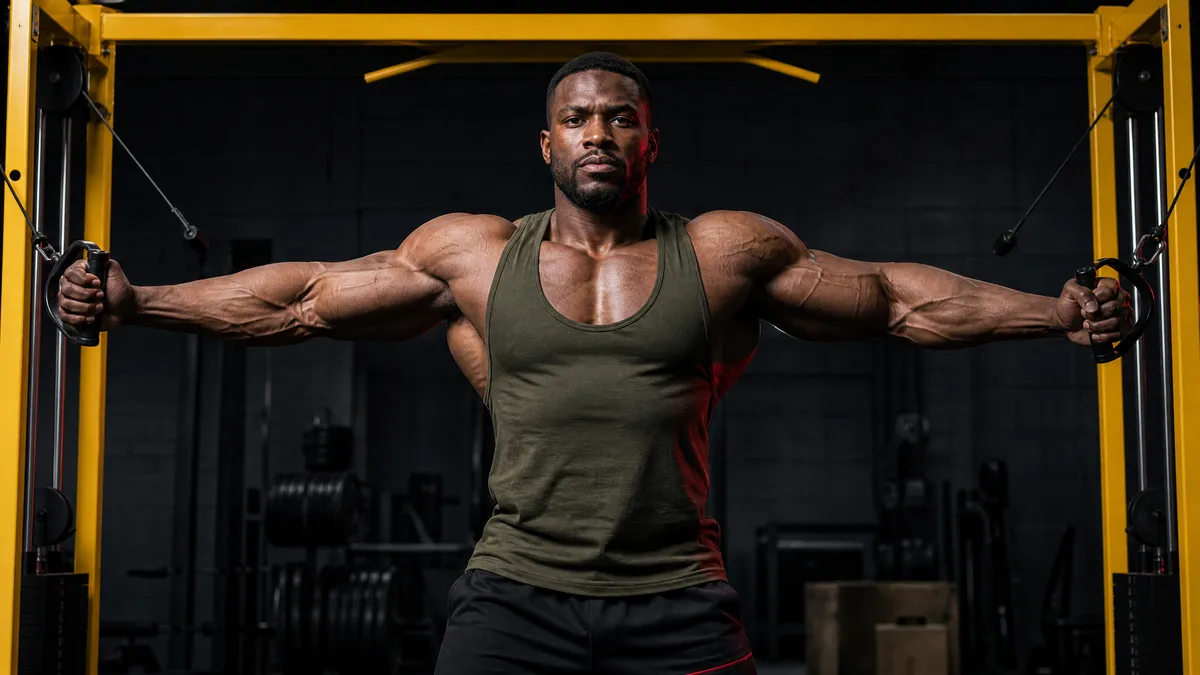
Cables keep tension on your chest all the way through the rep. Do one set at each angle and keep your elbows slightly bent:
- Low to high: pulleys low, hands finish at chin height. Upper chest.
- Middle: pulleys at shoulder height, hands finish in front of your chest. Middle chest.
- High to low: pulleys high, hands finish at your waist. Lower chest.
Four principles that matter more than the exercises
- Elbow position. Keep your elbows under your wrists and at roughly 45 degrees. Pushing your chest up and out creates a bigger stretch and takes the load off your shoulders.
- Pause reps. Pause for a second at the stretch and squeeze the weight up with your chest instead of shoving it. It feels lighter on paper and works harder in practice.
- Use angles. A different bench angle or cable height changes which part of your chest takes over. Rotate them across your sessions.
- No ego lifting. Lighter weights with a strong mind-muscle connection beat heavy, sloppy reps. If you can’t feel your chest working, lower the weight.
How to fit it into your week
- Frequency: train chest once or twice a week with at least two days between sessions.
- Progress: when you hit the top of the rep range on every set with clean form, add a small amount of weight.
- Track it: log your weights and reps so you know when to go up.
- Recover: eat enough protein, sleep, and give your shoulders and triceps rest days.
Four mistakes to avoid
1. Bouncing the bar off your chest. The momentum takes the work away from your chest and can hurt your ribs and shoulders. Fix: lower the weight under control and touch lightly.
2. Flaring your elbows straight out. It puts the load on your shoulder joints. Fix: keep your elbows at about 45 degrees and your shoulder blades pulled back.
3. Turning flies into presses. You lose the stretch, and the weight is too heavy for the muscle you want to train. Fix: keep the elbow bend fixed and drop the weight until you feel the chest stretch.
4. Only training flat. Your upper and lower chest get less work. Fix: include an incline press and cable flies at different angles.
What I wear on chest day
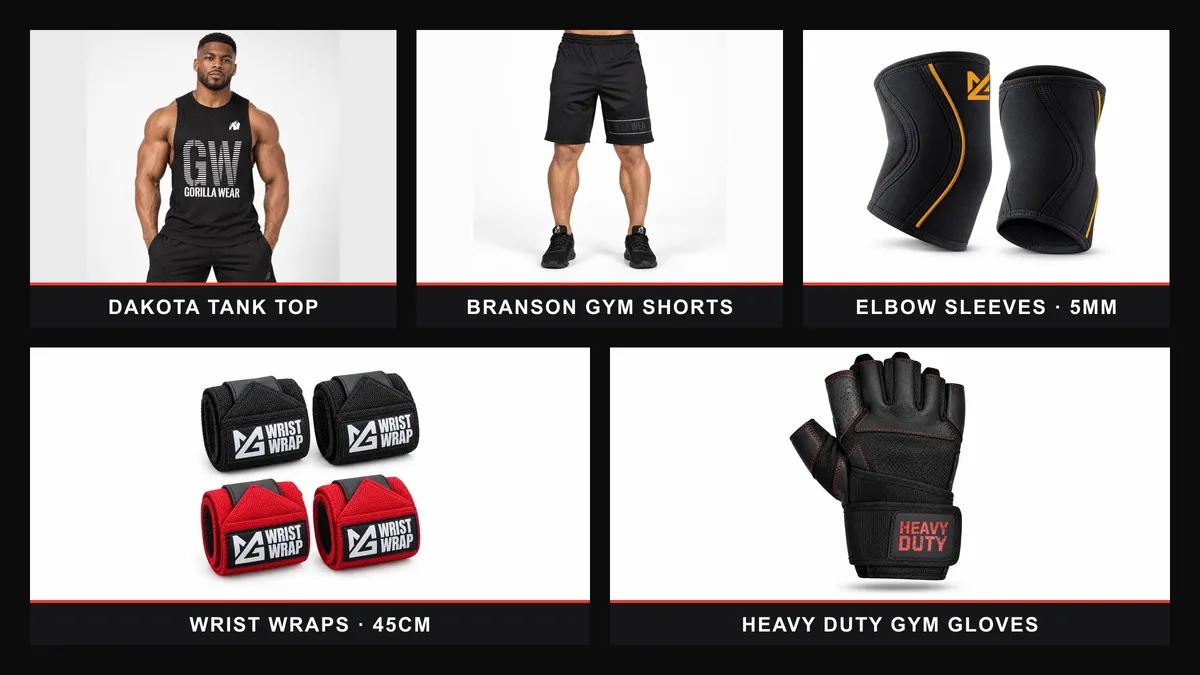
Cut-away tank that leaves your shoulders and chest free to move.
Shop now →Gorilla Wear Branson Gym Shorts
Training shorts that let you plant your feet on the bench.
Shop now →Might&Glory Elbow Sleeves · 5mm
5mm sleeves keep your elbows warm and snug on heavy pressing days.
Shop now →Might&Glory Wrist Wraps · 45cm
45cm wrist wraps keep your wrists stacked over your elbows on heavy presses.
Shop now →Might&Glory Heavy Duty Gym Gloves
Padded palms for machine and cable work.
Shop now →
Tanks, shorts and supports for your next session. Free UAE delivery over AED 350.
Questions people ask me
How many times a week should I train chest?
Once or twice a week for most people, with at least two days between chest sessions so the muscle can recover and grow.
Which exercise is best for upper chest?
Incline presses and low-to-high cable flies. Set the bench at a low to medium incline, around 30 degrees, so your chest does the work and not your shoulders.
Why can’t I feel my chest working?
Usually the weight is too heavy, or your shoulders and arms are taking over. Lower the weight, pull your shoulder blades back and pause at the stretch and the squeeze.
Are flies better than presses?
They do different jobs. Presses let you use heavier weights to build size, and flies stretch the chest and train it through a wide range. A good routine uses both.
Do I need a spotter?
For heavy barbell presses, yes, or use the safety bars on a rack. Dumbbells, machines and cables are safer to train hard without a spotter.
Keep going
- Arif’s bench press guide
- Bella’s guide to wraps and sleeves
- Stringer, tank or rag top? Abdulla’s guide
- Everything for bodybuilding: the Bodybuilding hub
This guide is general training information, not medical advice. If you have an injury or ongoing pain, talk to a physiotherapist or doctor before training.
Abdulla is an illustrative MG crew character created for our brand. The coaching here is written by the MG Activewear team.