


MG crew · Functional · Rowing, running and circuits.
Updated October 2026 · 6 min read
“I run out of breath halfway through a workout. How do I build stamina?”
Stamina is your body’s ability to keep going, physically and mentally, when the effort gets long. The good news is that it responds fast to a simple routine. This is how I build mine for rowing, running and circuits: two interval drills, better breathing, a stronger head and a few daily habits.
- Stamina comes from intervals: short hard efforts with a recovery in between. Start with 50 m sprints or a jump rope.
- Breathe in through your nose, out through your mouth, and never hold your breath.
- Water, real food and a regular bedtime do more for your stamina than any supplement.
- Train in the UAE heat early or late in the day, and drink before you are thirsty.
Why build stamina?
Better stamina means you can work for longer before you get tired. It also trains your heart and lungs, so everyday things like stairs, a long walk or playing with your kids feel lighter. It is also what keeps you strong in the last round of a workout, when most people slow down.
1. Interval drills that build stamina
Stamina grows from intervals: you work hard for a short time, recover, then go again. Pick one drill below, or mix both across your week.
Sprints
Sprints are the quickest way I know to build stamina. Do them on grass or a soft running track. Hard asphalt and concrete send a lot of shock into your joints, so avoid them.
- Sprint as fast as you can with good form, then jog back to the start. That jog is your recovery.
- Begin with 3 sprints. Add one when it feels manageable, up to 5, and later up to 7.
Jump rope
No field and not much space? A jump rope is the best stamina tool you can do anywhere. It is hard at first, then it gets fun once you find your rhythm.
- Pick the right rope. Stand on the middle of the rope: the handles should reach your upper chest or armpits.
- Turn it from the wrists. Hold the handles near hip height and flick your wrists, don’t swing your arms.
- Stay low. Jump on the balls of your feet with soft knees, only as high as the rope needs.
- Expect to trip. Everyone does at the start. Keep going and the rhythm comes.
2. Breathe properly
Controlled breathing is part of stamina. Breathe in through your nose and out through your mouth, and keep a steady tempo during your work interval. As the effort goes up, breathe harder and with more force.
The biggest mistake is holding your breath. It starves your muscles of oxygen. Keep breathing strongly during your recovery too, in through the nose and out through the mouth, and you will be ready for the next interval sooner.
3. Train your head
Most of the time your mind wants to stop before your body does. We are capable of more than we think, but doubt gets in the way. Talk to yourself while you train. Tell yourself you can do one more sprint, one more round. Even Ronnie Coleman had to say it to himself: “Lightweight, baby!”
4. Eat and drink for stamina
Real stamina comes from real food, not from energy drinks or hype supplements. What I do and recommend:
- Stay hydrated. Aim for 8 to 9 cups of water a day. In the UAE heat, drink before you feel thirsty and sip during your session. Green tea counts toward your fluids too.
- Cut the sugar. Swap soda and canned juice for water, or cold-pressed juice with no added sugar.
- Add a salad to your meals. Leafy vegetables are easy to add.
- Snack smart. Choose nuts and dried fruit over a bag of chips.
5. Live clean
Stamina is built outside the gym too. You already know what helps and what doesn’t. These changes make the biggest difference:
- Don’t smoke. It works against your lungs every day. If you smoke, quitting is the best stamina move you can make.
- Limit or skip alcohol. It hurts your sleep and your recovery.
- Sleep on a schedule. Go to bed around 10 pm and wake up early, so your body recovers properly.
- Stay positive. A good mindset helps you show up again tomorrow.
A simple week to start
- Monday: sprints, 3 rounds.
- Wednesday: jump rope, 4 rounds of 3 minutes.
- Friday: sprints or jump rope, whichever you enjoyed less.
- Other days: walk, stretch or rest. Recovery is part of the plan.
- Progress: after two weeks add a sprint, or a minute to your jump rope rounds.
Four mistakes to avoid
1. Holding your breath. Your muscles run out of oxygen and you tire early. Fix: keep a steady breathing rhythm and breathe harder as the effort goes up.
2. Sprinting on asphalt or concrete. The hard surface sends shock into your ankles, knees and shins. Fix: use grass or a soft running track.
3. Going too hard on day one. You get sore, skip the next session and lose the habit. Fix: start with 3 sprints or 2 rope rounds and add one when it feels manageable.
4. Skipping recovery. Stamina is built when your body recovers, not during the drill. Fix: jog or rest for the full recovery time and take your rest days.
What I wear for stamina work
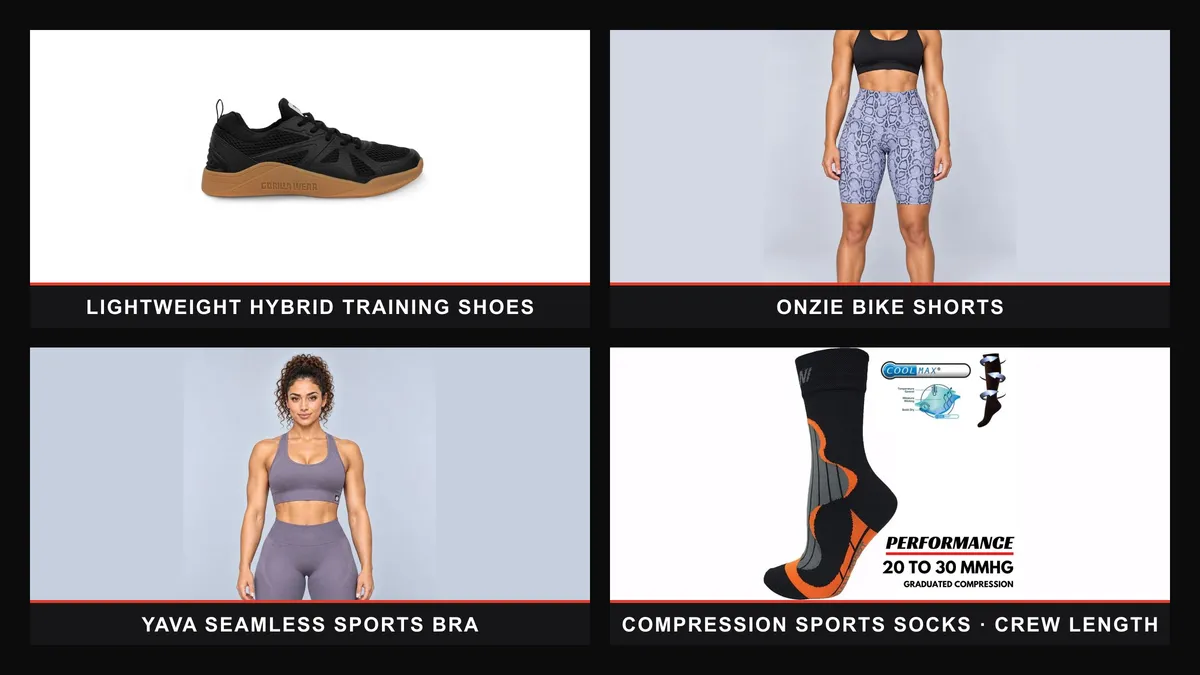
Lightweight, flexible training shoes for sprints, rope work and circuits.
Shop now →Onzie High Rise Bike Shorts · Lavender Cobra
High rise, body fit. Stays put when you sprint and jump.
Shop now →Gorilla Wear Yava Seamless Sports Bra
Seamless support for running and rope work.
Shop now →Compression Sports Socks · Crew Length
Crew-length compression socks for runs and jumps.
Shop now →
Shop the CrossFit & Functional hub →
Shoes, shorts, bras and socks in one place. Free UAE delivery over AED 350.
Questions people ask me
How long does it take to build stamina?
Most people feel the difference within a few weeks of training 2 to 3 times a week. Add a sprint or a minute of jump rope every couple of weeks to keep improving.
What is the best exercise for stamina?
Interval training. Sprints and jump rope are two simple options because you can adjust the work and the rest, and you need almost no equipment.
How many days a week should I train for stamina?
Two to three days, with rest or easy movement in between. Your body builds stamina while it recovers.
Why do I run out of breath so quickly?
It is usually a mix of pace, breathing and fitness. Start slower, breathe in through your nose and out through your mouth, and build up gradually. If you get chest pain or feel dizzy, stop and see a doctor.
Can I train outdoors in the UAE summer?
Go early in the morning or after sunset, drink before you start and sip during your session. Wear light, breathable kit and stop if you feel dizzy or unwell.
Keep going
- Layla’s women’s functional training guide
- Grips, gloves and wraps for the rig, with Shamil and Layla
- Knee sleeves vs knee wraps: Shamil explains
- Everything for functional training: the CrossFit & Functional hub
This guide is general training information, not medical advice. If you have an injury or ongoing pain, talk to a physiotherapist or doctor before training.
Layla is an illustrative MG crew character created for our brand. The coaching here is written by the MG Activewear team.